
Zoo Keeper Maths is a game where students look after a zoo by answering maths questions in one-minute drills. Every skill brings its own animals, and as students get quicker their zoo grows, from a small farm park to a town zoo, a safari park, an aquarium and a rewilding reserve.
It’s for students who need to get fluent in the maths they’re expected to do in their heads, from Year 1 to the sixth form.
Who the game is for
I’ve often taught students who are enthusiastic during a class discussion, then grind to a halt when it comes time to work on their own. Usually it’s because the skills underneath aren’t there yet, such as their times tables or operations with fractions, which they were “supposed” to have learned earlier in school and are now expected to do in their heads.
The more of these gaps pile up, the harder it is for a student to “hook back on”. A student who isn’t fluent adding fractions with numbers struggles when we get to algebraic fractions, because they’re trying to generalise knowledge which isn’t there. A student who is slow with factors will be slow factorising quadratics.
If a student is already fluent it will be less useful, though they can always find skills at their level. It also isn’t designed to teach the maths in the first place, though there are hints and tips built in.
The game
Each part of the maths has a part of the game to go with it.
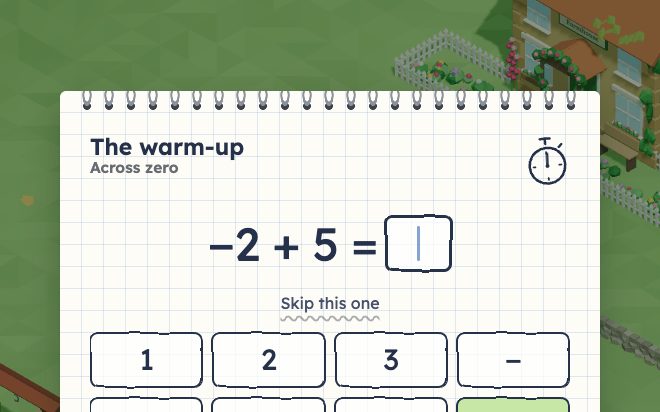
The warm-up
The first time they play, a short warm-up gives the game an idea of where they’re at with the skills for their year. Then they choose their first animal, give it a name and pick its first skill.
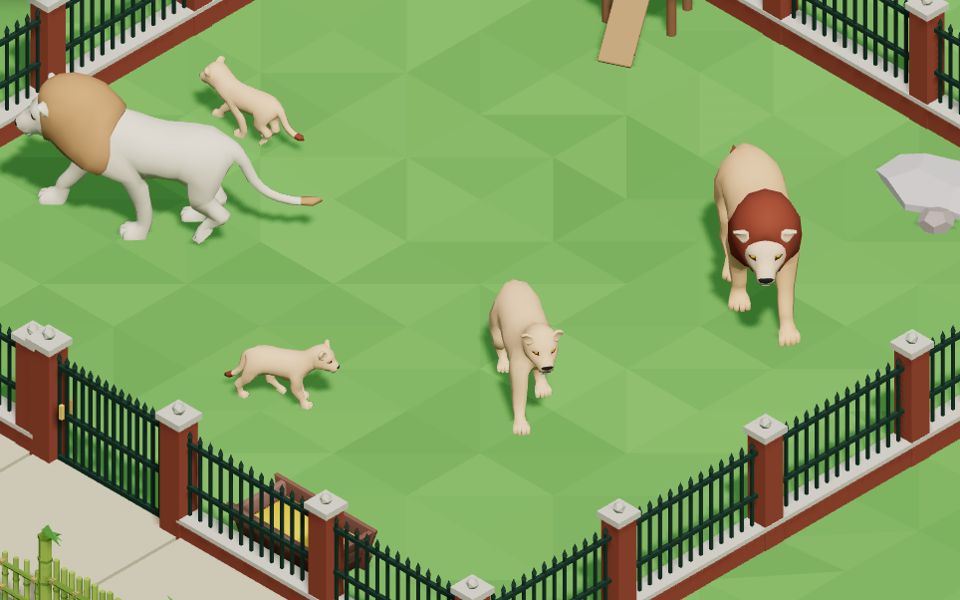
Drills and new animals
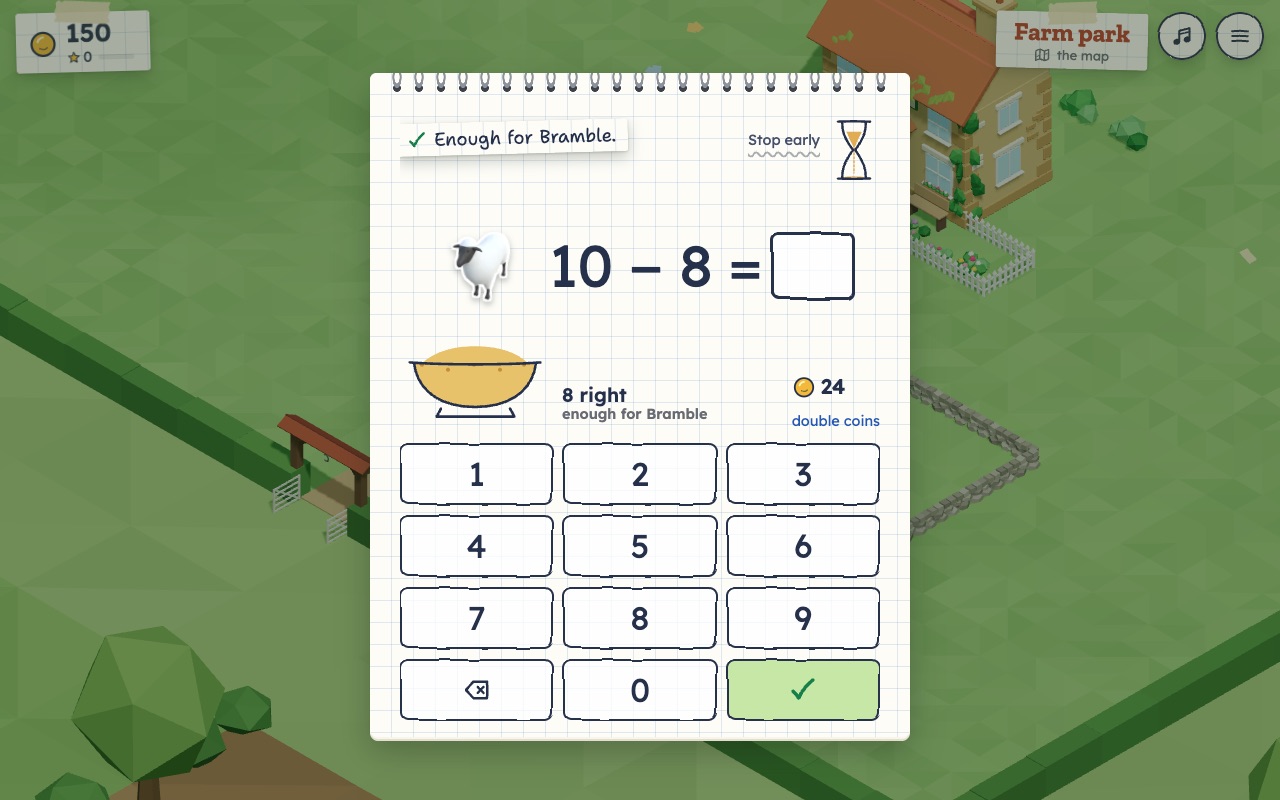
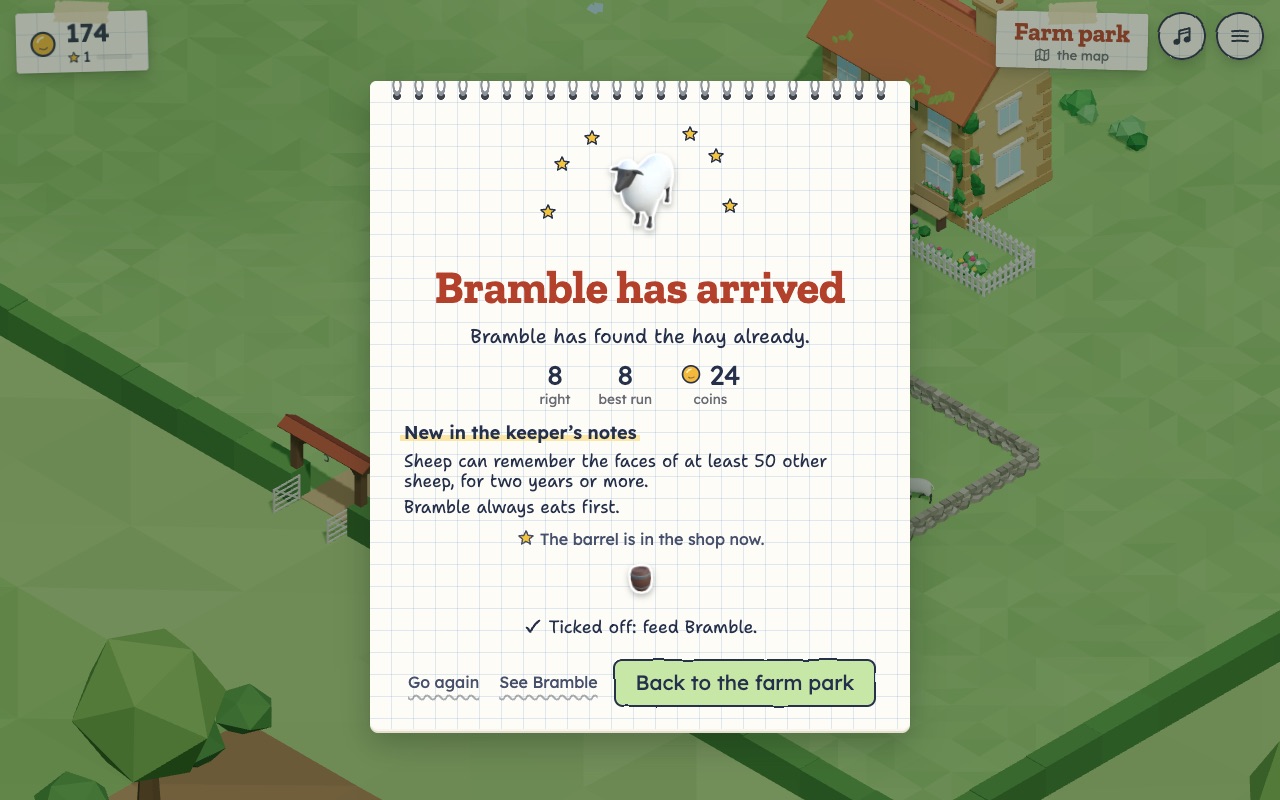
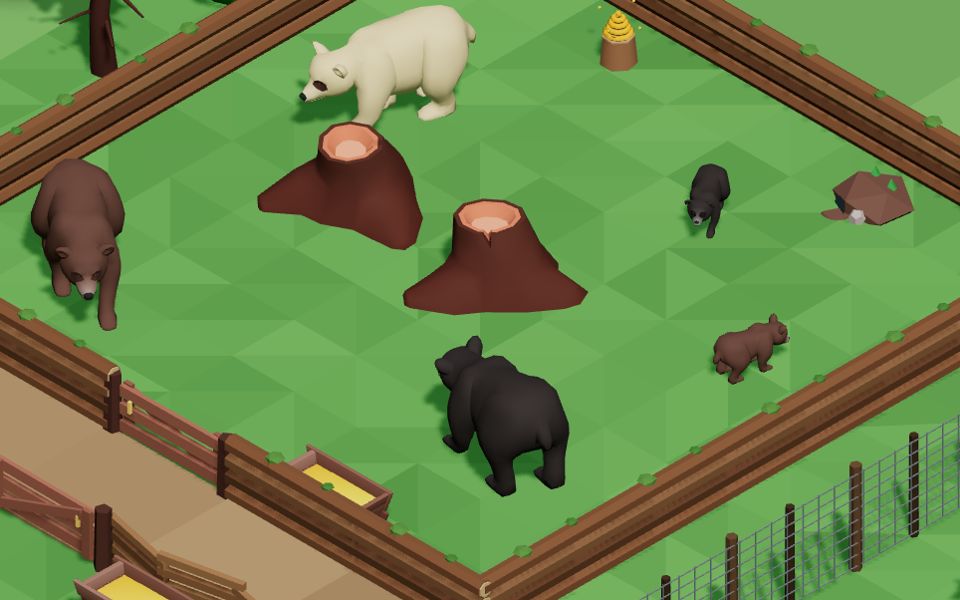
Each drill is a minute long, which keeps it low stakes. Get enough right and a new animal arrives, and as they get quicker the family grows, until the last one arrives in a rare colour, such as a black sheep or a white lion. The bar is set low for the first level and builds up to the speed they need to be on track in class.
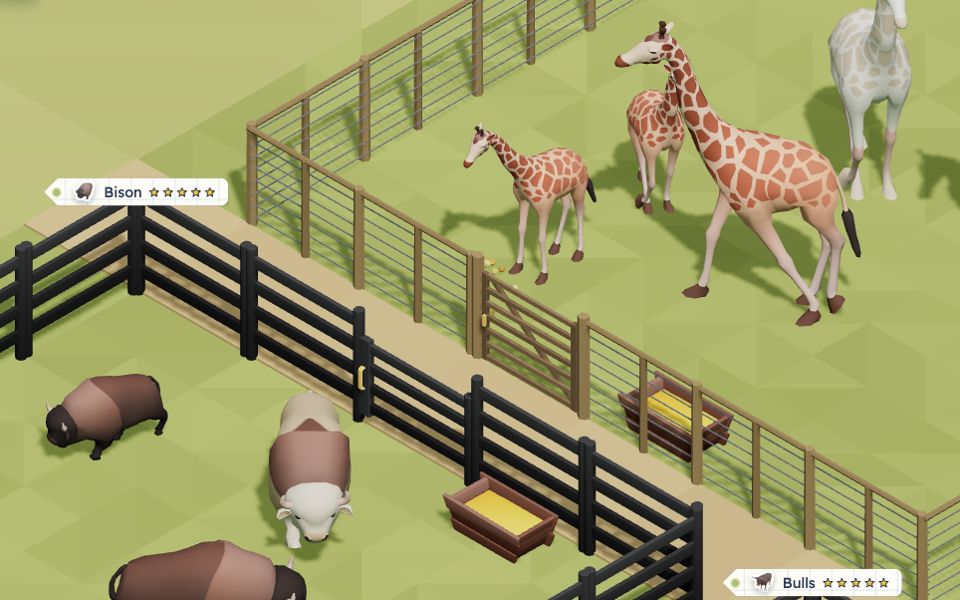
Hungry animals
In maths, as in a lot of subjects, a skill you haven’t practised in a while gets rusty. When an enclosure gets hungry, it’s a reminder to go back and rebuild that skill with another drill.
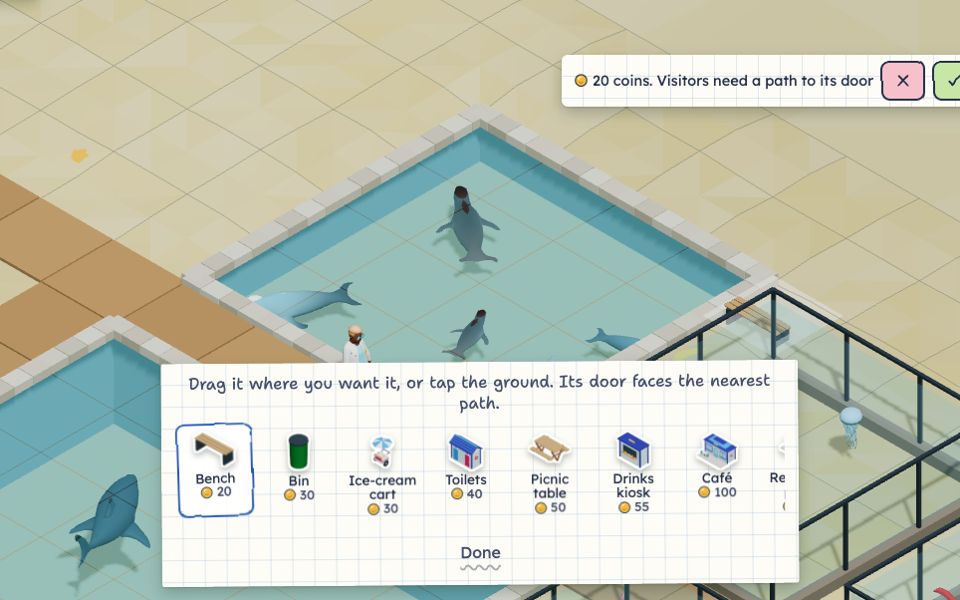
Building the zoo
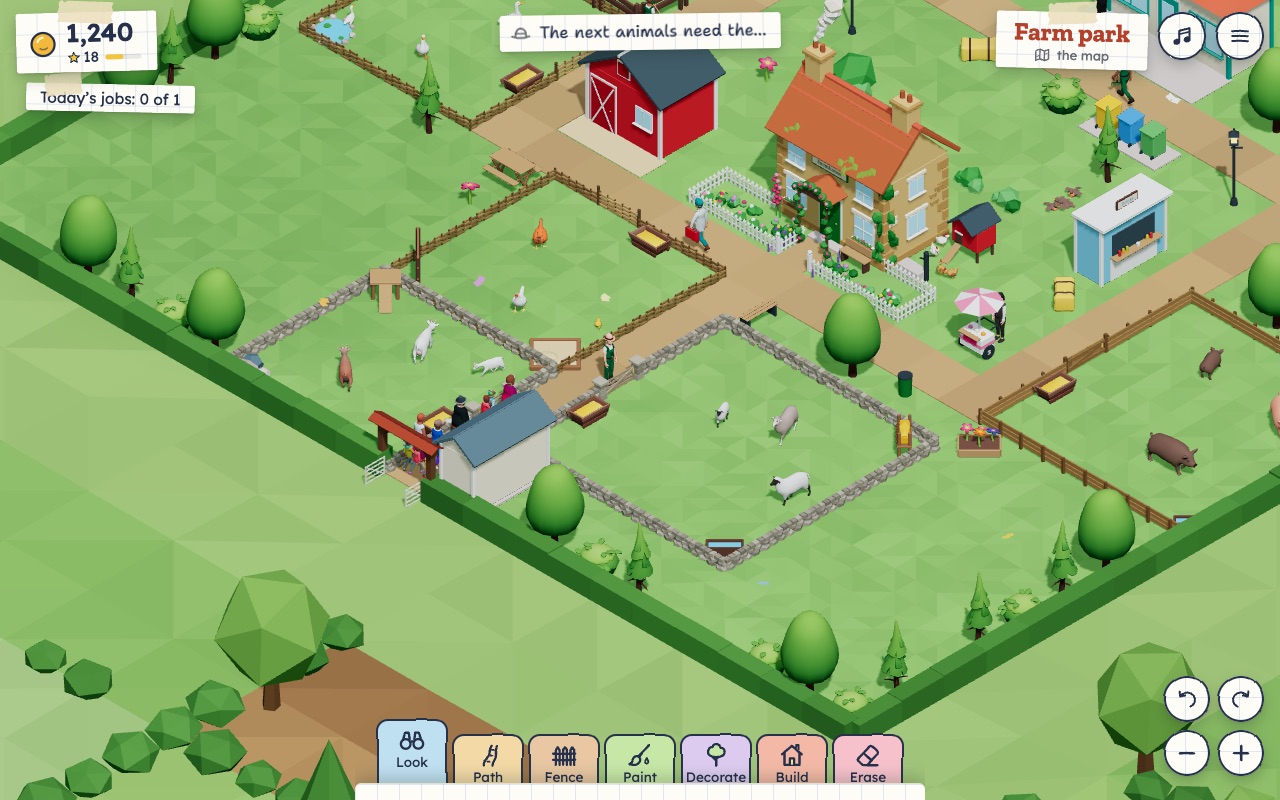
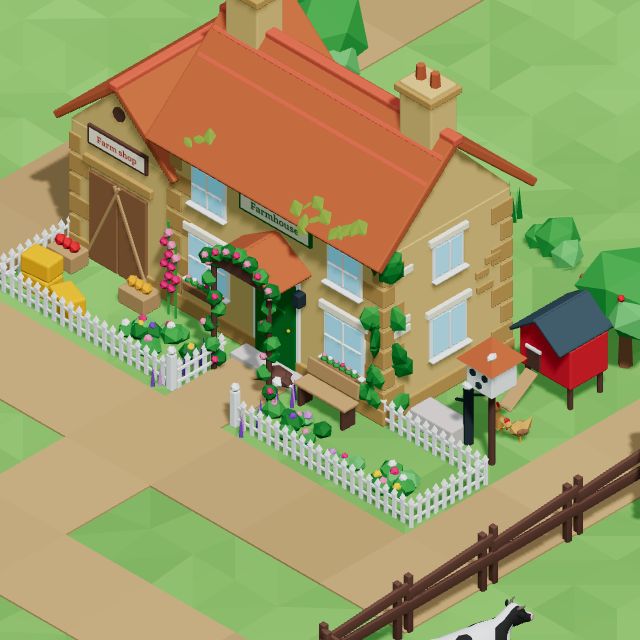
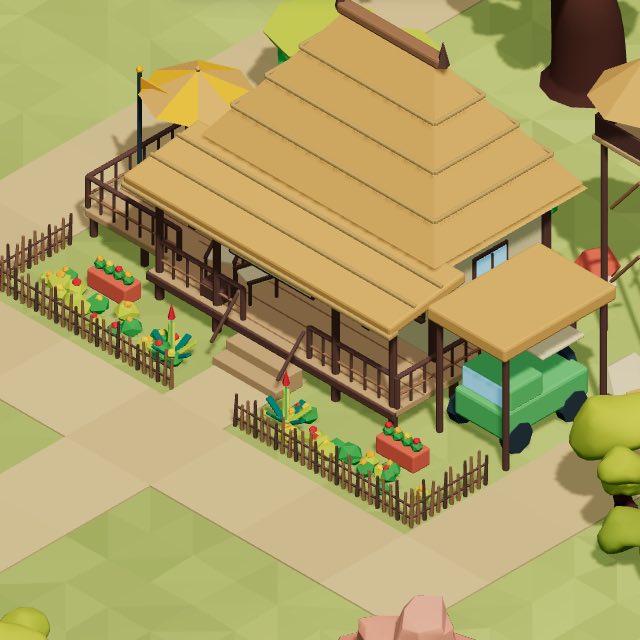
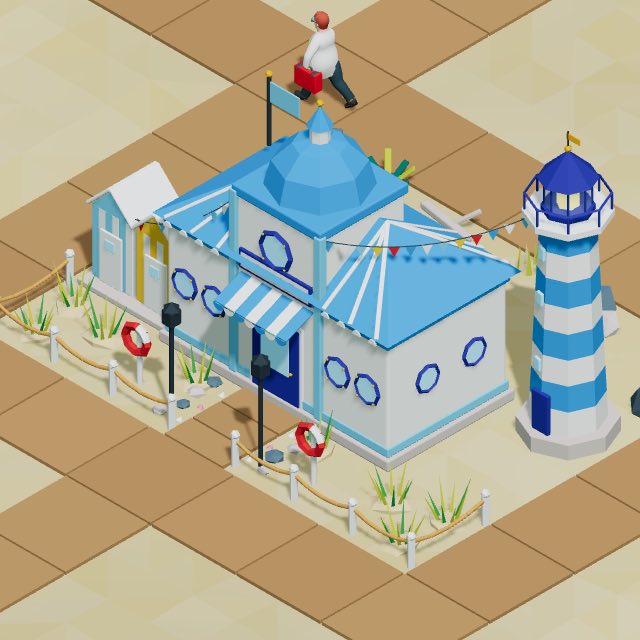
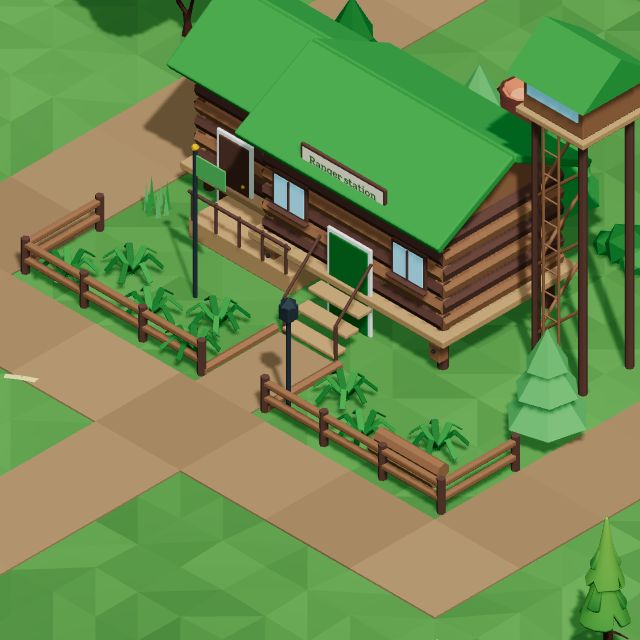
Drills and visitors bring in coins, which go on paths, fences, buildings and decorations. From Year 5 students lay these out however they like, and for younger children the zoo builds itself. The farm park grows into the town zoo, then a safari park, an aquarium and a rewilding reserve.
Collecting
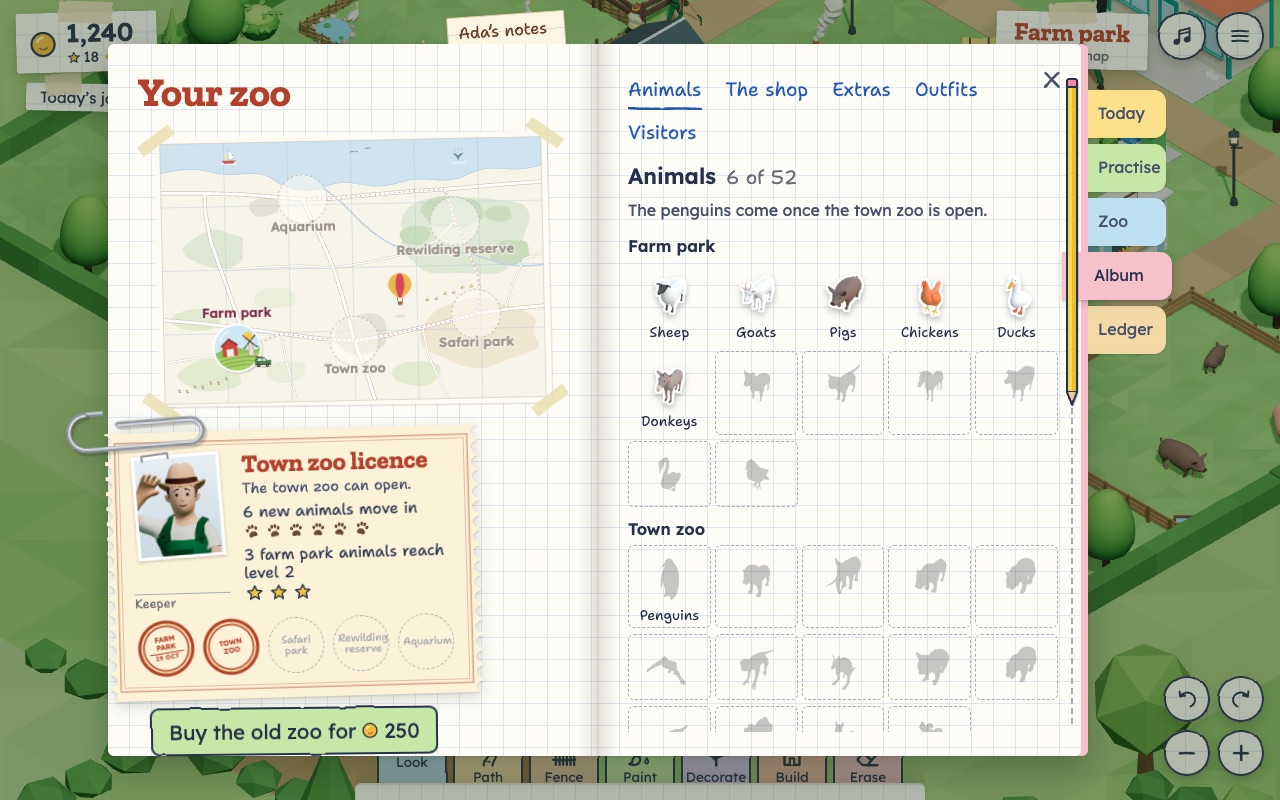
There are 52 animals to find across the five parks, an album to fill, and outfits for their keeper that arrive for keeping up through the week.
Five parks

About me
I’m Jamie Hubball, a maths and physics teacher. I’ve taught maths in secondary schools for 15 years, from KS3 up to A-level and IB.
In that time I’ve taught a lot of students who are bright enough to understand new ideas but are held back by the skills underneath. A student who “gets” algebra can still lose marks in a test because their times tables are weak. There are lots of excellent websites and apps for learning maths, but I’d always wanted one focused on fluency, as it matters more and more the older students get.
Questions and answers
Which year groups can play?
Year 1 to the sixth form, with GCSE tiers and IB courses. For younger children, the questions can be read aloud.
How much should students play?
It depends on the student, but I think around 10 minutes across a week, a few drills on most days, is enough to keep their skills topped up for what’s expected in class. Students who are further behind may want to spend more time to catch up with their classmates.
Isn’t timed maths stressful?
Each drill is only a minute, which keeps it low stakes, and the first level is set low on purpose. Seeing their own speed go up builds their confidence, and it lets their parents and teachers see their progress too.
Does the game cost anything?
The site is free for everyone while it’s in its early stages. Once it’s complete it will be paid, but I haven’t decided prices yet.